🐾Pawbiotics

Cats

Can Cats Eat Eggs? Benefits, Risks, and How to Feed Them Safely

Published 2026-05-039 min read

Eggs are among the most nutritionally complete foods available — high in protein, rich in amino acids, and packed with vitamins. But are they safe and appropriate for cats? The answer is yes, with some important conditions. Here's everything you need to know about feeding eggs to cats.

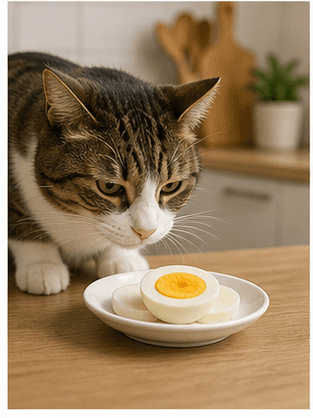
Cat near a small plain cooked egg portion in a dish
Plain cooked egg can be an occasional tiny treat for some healthy cats.
Educational guide only. This article does not replace a veterinary exam, diagnosis, or emergency care.

Are Eggs Safe for Cats?

Cooked eggs are safe for cats and can be a nutritious occasional treat. Cats are obligate carnivores — their bodies are built to derive nutrition from animal protein — and eggs fit that biological profile well.

The American Society for the Prevention of Cruelty to Animals (ASPCA) does not list eggs as toxic to cats. However, they should be given in moderation as a treat rather than a dietary staple.

Nutritional Benefits of Eggs for Cats

Eggs offer several nutrients that are beneficial to cats:

Given that protein is the cornerstone of a cat's diet, eggs are one of the better human foods cats can eat — in appropriate quantities.

Checklist

  • Complete protein — eggs contain all essential amino acids cats need
  • Taurine — critical for feline heart and eye health (found in egg yolks)
  • Vitamin B12 — supports nerve function and red blood cells
  • Riboflavin (B2) — aids energy metabolism
  • Selenium — antioxidant that supports immune function
  • Healthy fats — egg yolks contain fats that support coat health

Raw vs. Cooked Eggs: Which Is Better?

Cooked Eggs: Recommended

Cooked eggs are the safest option for cats. Cooking eliminates two key risks:

Scrambled, boiled, or poached eggs with no added butter, oil, salt, or seasoning are ideal.

Checklist

  • Salmonella — raw eggs can carry Salmonella bacteria, which causes serious GI illness in cats
  • Avidin — raw egg whites contain avidin, a protein that blocks biotin (vitamin B7) absorption. Chronic consumption of raw egg whites can lead to biotin deficiency

Raw Eggs: Not Recommended

While some raw feeders include raw eggs in their cats' diets, the standard veterinary recommendation is to avoid raw eggs due to bacterial contamination risk and the avidin issue, particularly with egg whites.

How Much Egg Can a Cat Eat?

Eggs should be treated as an occasional treat, not a regular meal. General guidelines:

The average cat needs about 200–250 calories per day. One whole egg contains approximately 70–80 calories — that's a large portion of a cat's daily calorie budget from a single treat.

Checklist

  • A full egg is too much — cats are small and a whole egg represents a significant caloric load
  • A few small bites of cooked egg a couple of times per week is appropriate
  • Treats (including eggs) should not exceed 10% of a cat's daily caloric intake

How to Prepare Eggs for Cats

Preparation matters. Follow these guidelines:

Checklist

  • Cook thoroughly — scrambled, hard-boiled, or poached all work
  • No added salt, pepper, butter, oil, garlic, onion, or any seasoning
  • Allow to cool to room temperature before serving
  • Cut into small, bite-sized pieces
  • Serve plain — no cheese, no milk, no other additions

Can Kittens Eat Eggs?

Kittens can eat small amounts of cooked egg as a protein supplement. However, their primary nutrition should come from high-quality kitten food formulated for growth. Avoid making eggs a regular food for kittens — their nutritional requirements are carefully calibrated, and irregular additions can unbalance their diet.

Signs of Egg Intolerance in Cats

While rare, some cats may not tolerate eggs well. Watch for:

If you notice any of these signs, discontinue eggs and consult your vet.

Checklist

  • Vomiting or diarrhea after eating egg
  • Lethargy
  • Skin irritation or itching (possible allergy)

Frequently Asked Questions

Yes — plain scrambled eggs cooked without butter, oil, or seasoning are a safe treat for cats. Avoid any additives like cheese or milk.

Yes. Egg yolks are actually the more nutritious part for cats — they contain taurine, healthy fats, and fat-soluble vitamins. Still, limit portion sizes.

Cooked egg whites are safe. Raw egg whites should be avoided due to avidin, which can lead to biotin deficiency with repeated exposure.

Two to three times per week in small amounts is a reasonable frequency. Don't make eggs a daily food — variety and balance matter.

Eggs contain some taurine, but cats' primary taurine needs should be met through their main diet — a quality commercial cat food formulated with adequate taurine levels. Eggs are a supplement, not a replacement.