🐾Pawbiotics

Cats

Why Do Cats Puke? Normal Vomiting vs. When to Worry

Published 2026-05-0110 min read

Cats vomit. A lot. More than almost any other common pet. Some of it is normal. Some of it isn't. Knowing the difference could save your cat's life.

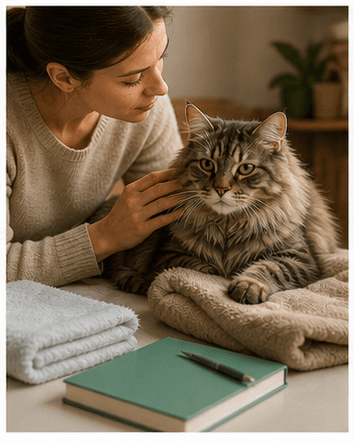
Concerned cat owner tracking vomiting symptoms with a calm cat nearby
Frequent cat vomiting deserves tracking and veterinary guidance, even when hairballs seem likely.
Educational guide only. This article does not replace a veterinary exam, diagnosis, or emergency care.

How Often Is Too Often?

Occasional vomiting — once or twice a month — is considered within normal range for many cats.

But vomiting more than once a week is not normal. It needs investigation.

Any vomiting accompanied by lethargy, weight loss, blood, or a change in eating habits is a vet visit — regardless of frequency.

Normal Reasons Cats Vomit

Hairballs

The most well-known reason. Cats groom constantly. Loose fur swallows. Most passes through the digestive system — but some forms a compacted mass in the stomach.

When the mass becomes too large, the cat vomits it up. It comes out as a wet, tubular clump — not a ball, despite the name.

Hairball vomiting is normal for cats with longer coats or heavy shedding. Once or twice a month is typical.

More frequent hairballs can be reduced with: regular brushing, hairball-reducing diets, petroleum-based hairball remedies, or increased fiber.

Eating Too Fast

Some cats eat like they're in a competition. Food goes down fast. The stomach sends it back up almost immediately.

The vomit looks like undigested or barely digested food — often still kibble-shaped.

Solutions: slow feeder bowls, puzzle feeders, spreading kibble on a flat tray, or feeding smaller portions more frequently.

Dietary Indiscretion

A cat that ate something unusual — a bug, a plant, a piece of string, a bite of human food — may vomit it up.

Usually a single episode with no follow-up symptoms. The cat bounces back within an hour.

Medical Causes of Cat Vomiting

Food Allergy or Intolerance

Chronic vomiting that's happening multiple times per week, with no other clear cause, is often food-related.

Common allergens: beef, chicken, fish, dairy, grains. Cats can develop sensitivities to proteins they've eaten for years.

Diagnosis requires an elimination diet trial with a novel or hydrolyzed protein diet — strict for 8–12 weeks.

Inflammatory Bowel Disease (IBD)

IBD is one of the most common causes of chronic vomiting in middle-aged and senior cats.

The GI tract becomes chronically inflamed. Vomiting is frequent. Diarrhea may alternate with constipation. Weight loss follows.

Diagnosis requires biopsy. Treatment includes diet change, prednisolone (steroid), and sometimes chlorambucil.

Hyperthyroidism

The thyroid gland overproduces thyroid hormone. Everything speeds up — metabolism, heart rate, GI motility.

Hyperthyroid cats vomit frequently and lose weight despite eating more. Most common in cats over 10 years old.

Confirmed with a blood test. Very treatable with medication, radioactive iodine therapy, or surgery.

Chronic Kidney Disease (CKD)

As the kidneys fail, toxins build up in the blood — a condition called uremia. Uremia causes nausea and vomiting.

CKD cats also drink more water, urinate more, and gradually lose weight.

CKD is the leading cause of death in older cats. Blood and urine testing at annual (or biannual for seniors) vet visits catches it early.

Gastrointestinal Obstruction

String, toys, rubber bands, bones, or any swallowed foreign object can obstruct the GI tract.

Signs: repeated vomiting, inability to keep anything down, lethargy, abdominal pain, stopping eating.

This is an emergency. A GI obstruction can kill within 24–48 hours without treatment.

Pancreatitis

Inflammation of the pancreas. Harder to diagnose in cats than in dogs — symptoms are vague.

Vomiting, lethargy, decreased appetite, hiding. Often concurrent with IBD and cholangiohepatitis in a feline triad.

Requires blood testing (fPLI) and supportive treatment.

Toxin Ingestion

Lilies are the most dangerous. All parts of true lilies (Easter lily, tiger lily, Asiatic lily) are lethal to cats — even pollen on fur causes acute kidney failure.

Other toxins: antifreeze, human medications (especially ibuprofen and acetaminophen), certain houseplants.

Sudden onset vomiting with no other obvious cause — especially in a cat that has access to plants or the outdoors — warrants emergency care.

What Vomit Looks Like — What It Tells You

Checklist

  • Yellow or greenish bile — stomach is empty, cat vomited on an empty stomach. May indicate infrequent feeding or IBD.
  • Undigested kibble — eating too fast. Usually vomited within 30 minutes of eating.
  • Tubular clump of fur — hairball. Normal.
  • Foamy white vomit — bile and stomach fluid. Can indicate nausea from various causes.
  • Blood in vomit — upper GI bleeding. Vet visit today.
  • Brown, foul-smelling vomit — possible intestinal obstruction. Emergency.

When Is Cat Vomiting an Emergency?

Go to the vet immediately if:

❓ Frequently Asked Questions

Checklist

  • Blood is present in the vomit
  • The cat is vomiting repeatedly and cannot keep water down
  • The cat is lethargic, not responding normally
  • You suspect toxin ingestion
  • The abdomen feels hard, distended, or the cat shows pain when touched
  • Vomiting is accompanied by labored breathing

Frequently Asked Questions

Daily vomiting is not normal and needs veterinary investigation. The most common causes are food allergies or intolerance, IBD, hyperthyroidism, and CKD. A blood panel and physical exam are the starting point.

Occasionally — yes. Once or twice a month is within normal range for cats with longer coats. More frequent hairball vomiting can be reduced with regular grooming, hairball formula foods, and fiber supplements.

Usually eating too fast. Vomit appears within 30 minutes of eating and looks like undigested food. Use a slow feeder bowl or spread kibble across a flat tray to slow intake.

Blood (red or dark brown/coffee ground appearance) is always serious. Repeated clear or white foamy vomit in a cat that can't keep anything down is an emergency. Bile (yellow/green) in a cat that vomits regularly signals a chronic issue worth investigating.

Go immediately if there's blood, the cat can't hold down water, you suspect poisoning, or the cat is lethargic and in pain. Otherwise, any vomiting that happens more than once or twice a week deserves a vet appointment within a few days.