🐾Pawbiotics

Dogs

Why Do Dogs Eat Poop? Causes and How to Stop It

Published 2026-05-0310 min read

Few things are as off-putting to dog owners as watching their dog eat poop. Technically called coprophagia, this behavior is more common than most people realize — and it's rarely a sign of a serious problem. Understanding why dogs do it is the first step to stopping it. This guide breaks down every known cause and the most effective strategies to address the behavior.

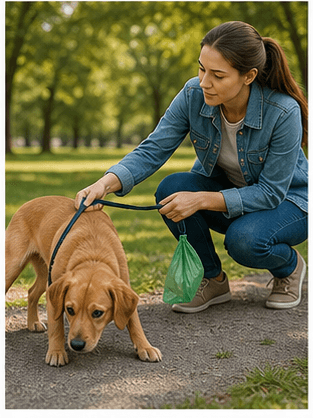
Dog owner redirecting a dog outdoors with a leash and cleanup bag for a poop eating guide
Fast cleanup, supervision, and enrichment are often the first steps for dogs that eat poop.
Educational guide only. This article does not replace a veterinary exam, diagnosis, or emergency care.

What Is Coprophagia?

Coprophagia is the consumption of feces — either the dog's own (autocoprophagia) or another animal's (allocoprophagia). Dogs may eat their own stool, another dog's stool, cat feces, or the droppings of wildlife like deer or rabbits.

Studies suggest that roughly 16–23% of dogs eat feces at least occasionally. It's considered normal in certain contexts (like mother dogs cleaning up after newborns) but problematic when it becomes a consistent habit.

Why Do Dogs Eat Poop? The Main Causes

1. Nutritional Deficiency

One of the most common medical explanations is that a dog isn't absorbing enough nutrients from their food. This can result from:

In these cases, feces may still contain undigested nutrients the dog is instinctively drawn to.

Checklist

  • Poor-quality diet with inadequate nutrient density
  • Enzyme deficiency — the dog lacks enzymes needed to properly digest food
  • Malabsorption disorders — conditions where nutrients pass through without being absorbed

2. Parasites

Intestinal parasites compete for nutrients in the gut, leaving a dog nutritionally depleted and potentially driving coprophagia. A fecal exam can rule this out quickly.

3. Hunger

Dogs that are underfed, fed infrequently, or fed a low-calorie diet may eat feces out of genuine hunger. This is especially common in rescue dogs from food-insecure backgrounds.

4. Learned Behavior

Dogs learn by observing. A puppy may see another dog eat feces and mimic the behavior. Puppies also explore the world with their mouths and sometimes eat feces simply out of curiosity — a phase many grow out of.

5. Attention-Seeking

If a dog has learned that eating poop gets a strong reaction from their owner — even a negative one — they may repeat the behavior for the attention it generates. Dogs that are bored or under-stimulated are particularly prone to this.

6. Stress and Anxiety

Dogs under stress — due to confinement, punishment, or anxiety — sometimes eat feces. It may be a self-soothing behavior or a response to stress-induced hyperactivity.

7. Medical Conditions

Certain health conditions increase the likelihood of coprophagia:

Checklist

  • Cushing's disease (hyperadrenocorticism) — increases appetite significantly
  • Diabetes or thyroid conditions — can drive increased hunger
  • Steroid medication — known to increase appetite and food-seeking behavior

8. Instinct

Wolves and wild dogs sometimes consume feces to clean their den and protect pups from predators who track scent. While domestic dogs don't face this pressure, remnants of this instinct may persist, particularly in females with puppies.

Is Eating Poop Dangerous for Dogs?

The risks depend on what was eaten:

Additionally, a dog that eats poop and then licks your face exposes you to those same pathogens. For immunocompromised individuals or young children, this is a hygiene concern.

Checklist

  • Own feces (healthy dog): Generally low risk
  • Another dog's feces: Possible transmission of intestinal parasites or bacterial pathogens
  • Cat feces: Risk of Toxoplasma and intestinal parasites — cat litter boxes should be inaccessible to dogs
  • Wildlife feces: Higher risk of parasites (giardia, cryptosporidium), bacteria, and toxins

How to Stop a Dog From Eating Poop

Step 1: Rule Out Medical Causes

See your vet first. A fecal exam, blood panel, and dietary assessment can identify nutritional deficiencies, parasites, or underlying health conditions driving the behavior.

Step 2: Improve Diet Quality

Switch to a high-protein, digestible diet. Consider adding a digestive enzyme supplement if malabsorption is suspected. Some vets recommend adding pineapple, pumpkin, or specific deterrent supplements to the diet — the theory is they alter the taste of feces.

Step 3: Management and Environment

Checklist

  • Pick up stool immediately after your dog eliminates
  • Keep cat litter boxes in a location inaccessible to your dog
  • Supervise outdoor time until the behavior is under control
  • Use baby gates or covered litter boxes

Step 4: Training

Teach and reinforce a strong "leave it" command. Reward your dog heavily for ignoring feces. Avoid scolding or overreacting — this can inadvertently reinforce the behavior.

Step 5: Address Boredom and Anxiety

Increase exercise, play, and mental stimulation. Dogs that are well-exercised and mentally engaged are less likely to engage in problematic behaviors. If anxiety is the root cause, work with a veterinary behaviorist.

Deterrent Products: Do They Work?

Products like For-Bid or Deter contain ingredients (often monosodium glutamate or plant-based bitter compounds) meant to make feces taste unpleasant. Results are mixed — they work for some dogs and not at all for others. They're worth trying as one component of a broader strategy, but rarely solve the issue alone.

Frequently Asked Questions

It's common — studies show up to 23% of dogs do it at least occasionally. In puppies, it's especially common and often self-resolves. In adult dogs, it's worth investigating the cause.

Cat feces often contain undigested protein from high-meat diets, making it appealing to dogs. This is sometimes called "raiding the litter box" and can be stopped by using covered boxes or relocating them out of the dog's reach.

Yes. Dogs can contract intestinal parasites, Salmonella, Campylobacter, giardia, and other pathogens from consuming feces — especially from wildlife or other animals. Regular deworming and vet checkups are important.

Puppies commonly eat poop out of curiosity and exploration. Most outgrow the behavior by 6–9 months. Keep the environment clean and supervise closely during this stage.

Thiamine (B1) deficiency and enzyme deficiencies have been associated with coprophagia, though research is ongoing. A complete diet and enzyme support often help reduce the behavior.