🐾Pawbiotics

Dogs

Melatonin for Dogs: Safety, Dosage, and What It Actually Helps

Published 2026-05-0110 min read

Melatonin is one of the most commonly used supplements for dogs. It's accessible, affordable, and generally safe. But the dose matters. The ingredients matter. And it doesn't work for every problem. Here's what you need to know before giving it to your dog.

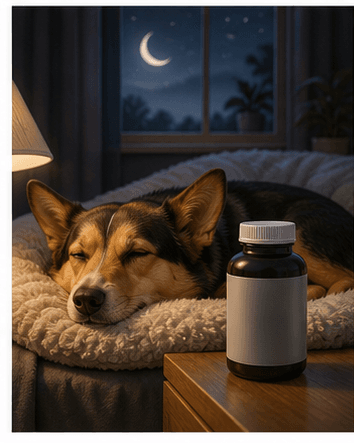
Calm dog resting near a pet-safe supplement bottle in a nighttime setting
Melatonin should only be considered with careful ingredient checks and veterinary guidance.
Educational guide only. This article does not replace a veterinary exam, diagnosis, or emergency care.

What Is Melatonin?

Melatonin is a hormone naturally produced by the pineal gland. It regulates the sleep-wake cycle in response to light and darkness.

In supplement form, it has a calming, sedative-adjacent effect that benefits dogs with anxiety, sleep disruption, and certain other conditions.

It's not a sedative. It doesn't knock dogs out. It reduces arousal and promotes calmness.

Is Melatonin Safe for Dogs?

Yes — in appropriate doses, for most dogs.

Melatonin has a wide safety margin. It's not toxic at commonly used doses. Side effects are generally mild.

However, there are important caveats:

Always check the ingredient list for xylitol before purchasing.

Checklist

  • Avoid any melatonin product containing xylitol — this sweetener is toxic to dogs and found in some gummy formulations
  • Use with caution in dogs on other medications — melatonin can interact with sedatives, corticosteroids, and some blood pressure medications
  • Consult your vet before giving to pregnant dogs, nursing females, or dogs with liver disease

What Conditions Does Melatonin Help in Dogs?

Anxiety

Noise phobia — thunderstorms, fireworks — is the most common use. Melatonin reduces the physiological arousal response.

It's also used for separation anxiety, travel stress, grooming anxiety, and vet visit nerves.

Give 30–60 minutes before the anticipated stressor for best effect.

Sleep Disorders

Senior dogs often develop circadian rhythm disruption — a condition similar to sundowning in humans. They sleep during the day and pace at night.

Evening melatonin helps reset the sleep-wake cycle. Many owners see improvement within 1–2 weeks of consistent use.

Hair Loss (Alopecia)

This is a less-known use: melatonin has been clinically used to treat certain types of hair loss in dogs, particularly seasonal flank alopecia — a benign, cyclical hair loss condition common in Northern breeds.

The mechanism isn't fully understood, but results are documented. Vets typically use it for 3–4 months at a time.

Cushing's Disease

Melatonin is sometimes used as part of a complementary management protocol for Cushing's disease, often alongside lignans. It does not replace pharmaceutical treatment but may support it.

This use requires explicit veterinary guidance and monitoring.

Melatonin Dosage for Dogs

Dosage is based on body weight. General guidelines used by many vets:

Maximum frequency: once every 8 hours. For anxiety, a single pre-event dose is typically sufficient.

These are general guidelines — always confirm dosing with your vet, especially for ongoing use.

Checklist

  • Under 10 lbs: 1 mg
  • 10–25 lbs: 1.5 mg
  • 26–100 lbs: 3 mg
  • Over 100 lbs: 3–6 mg

What Form Should You Buy?

Melatonin comes in tablets, capsules, liquids, and gummies.

Avoid gummies unless you've confirmed zero xylitol. Gummies are the most common format that contains xylitol.

Plain melatonin tablets (1 mg or 3 mg) with no added ingredients are the safest option. Break them to adjust dose for smaller dogs.

The supplement is not FDA-regulated for veterinary use — quality varies between brands. Choose reputable human-grade supplements with third-party testing.

When Melatonin Won't Work

Melatonin doesn't help every anxious dog. Dogs with severe anxiety — separation anxiety that involves destruction or self-harm — often need a proper behavioral modification program and possibly prescription medication like fluoxetine or trazodone.

If melatonin isn't making a noticeable difference within 2–4 uses, tell your vet. There may be a better option.

Side Effects to Watch For

Generally mild and uncommon:

If your dog seems unusually sedated or develops GI symptoms, reduce the dose or discontinue.

❓ Frequently Asked Questions

Checklist

  • Drowsiness or excessive sedation
  • Digestive upset — loose stool or stomach upset
  • Changes in fertility — not recommended for breeding dogs
  • Insulin resistance with long-term use — monitor diabetic dogs closely

Frequently Asked Questions

Yes — as long as it contains no xylitol and no added ingredients. Plain melatonin tablets used by humans are fine for dogs at appropriate doses. Always check the label.

Effects typically last 4–8 hours in dogs. For storm anxiety, give 30–60 minutes before the event. For sleep issues, give 30 minutes before the dog's typical bedtime.

Short-term daily use for acute issues (travel, fireworks season) is generally fine. For ongoing conditions like chronic anxiety or seasonal alopecia, consult your vet — long-term use should be supervised.

Melatonin works in 30–60 minutes. For immediate, severe anxiety, prescription medications like trazodone act faster. Talk to your vet about situational anxiety medication if melatonin isn't fast enough.

Yes — it's one of the most common uses and one of the better-documented ones. Give it 45–60 minutes before a storm or fireworks event. Combine with a safe, dark hiding space for best results.