🐾Pawbiotics

Dogs

Are Eggs Good for Dogs? Benefits, Risks, and How to Feed Them

Published 2026-05-0110 min read

Eggs are one of the most nutritionally complete foods on the planet. And yes — dogs can eat them. But there's a right way and a wrong way. Here's everything you need to know.

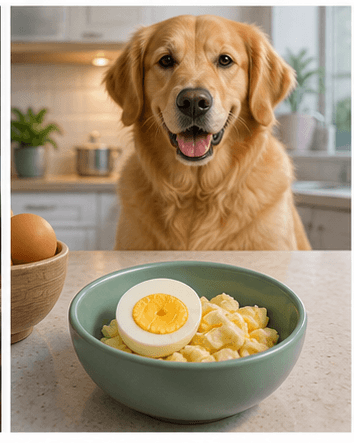
Plain cooked egg served safely in a dog bowl beside a happy dog
Plain cooked eggs can be an occasional extra for many healthy dogs when portions stay modest.
Educational guide only. This article does not replace a veterinary exam, diagnosis, or emergency care.

Are Eggs Safe for Dogs?

Yes. Cooked eggs are safe for dogs and considered a healthy treat when given in appropriate amounts.

Eggs are not on any toxic food list for dogs. The ASPCA does not flag them as harmful. Most vets consider them a beneficial, protein-rich supplement.

Nutritional Benefits of Eggs for Dogs

Eggs are nutritionally dense. For dogs, the key benefits:

The egg yolk contains fat-soluble vitamins (A, D, E, K) and most of the micronutrient content. The white is primarily protein.

Checklist

  • Complete protein — all 10 essential amino acids dogs require
  • Highly digestible — protein bioavailability from eggs is among the highest of any food source
  • Vitamin A — supports skin, coat, and immune function
  • Vitamin B12 — essential for nerve health and red blood cell production
  • Riboflavin (B2) — energy metabolism
  • Folate — cell growth and function
  • Iron and selenium — immune support and antioxidant function
  • Healthy fats — supports coat health and energy

Cooked vs. Raw Eggs

Cooked Eggs — The Right Choice

Cooked eggs are the recommended form for dogs. Two important reasons:

First: raw eggs carry Salmonella. Dogs can get Salmonella infections. Symptoms include vomiting, diarrhea, lethargy, and fever. Cooking eliminates the risk.

Second: raw egg whites contain avidin — a protein that binds to biotin (vitamin B7) and blocks its absorption. Feeding raw egg whites regularly causes biotin deficiency. Symptoms include coat and skin deterioration, lethargy.

Cooking denatures avidin. The biotin issue disappears entirely with cooked eggs.

Raw Eggs — What You Need to Know

Some raw feeders include whole raw eggs (with the shell) in their dogs' diets. The argument: dogs in the wild would eat eggs raw.

The risk is real: Salmonella contamination, and biotin depletion from regular raw white consumption.

If you choose to give raw eggs occasionally, use fresh eggs from trusted sources, and monitor your dog's digestion and coat quality.

How to Prepare Eggs for Dogs

Keep it simple. Dogs don't need seasoning.

Never add: butter, oil, salt, pepper, garlic, onion, cheese, or any seasoning.

Garlic and onion are toxic to dogs. Dairy can cause digestive upset in many dogs. Salt is harmful in excess.

Checklist

  • Scrambled — cook in a dry non-stick pan with no butter, oil, or salt
  • Hard-boiled — peel fully, cut into pieces appropriate for your dog's size
  • Poached — plain, no added vinegar or salt

How Many Eggs Can a Dog Eat?

Eggs are calorie-dense. One large egg is approximately 70–80 calories.

A rough guideline based on size:

Treats — including eggs — should not exceed 10% of daily caloric intake. Overfeeding eggs adds excessive fat and can contribute to weight gain.

Checklist

  • Small dogs (under 20 lbs): half an egg, 2–3 times per week
  • Medium dogs (20–50 lbs): one egg, 2–3 times per week
  • Large dogs (50+ lbs): one to two eggs, 3–4 times per week

Can Dogs Eat Eggshells?

Yes — eggshells are a natural calcium source. Calcium carbonate makes up approximately 95% of an eggshell.

To feed eggshells: dry them, grind into a fine powder, and sprinkle on food. Don't give large shell fragments — they can be sharp.

Particularly useful for dogs on homemade diets that may lack calcium. One half-teaspoon of ground eggshell powder provides roughly 1,000 mg of calcium.

Dogs That Should Limit Eggs

Eggs aren't ideal for every dog:

If you've never given your dog eggs before, start with a small amount and observe for 48 hours.

❓ Frequently Asked Questions

Checklist

  • Overweight or obese dogs — too many calories from the yolk fat
  • Dogs with pancreatitis — high fat content can trigger flares
  • Dogs with egg allergies — rare but possible. Signs: skin itching, ear infections, vomiting, loose stool

Frequently Asked Questions

Small amounts daily are fine for most dogs. But eggs are calorie-dense — daily feeding should stay within the 10% treat allowance. For large dogs, one egg per day is usually manageable. For small dogs, half an egg or less.

Yes — plain scrambled eggs (no butter, no salt) are easy to digest and are a common vet recommendation for dogs recovering from vomiting or diarrhea. The protein is gentle on an irritated GI tract.

Both are nutritious. Yolks contain fat-soluble vitamins and healthy fats. Whites are lean protein. For cooked eggs, the whole egg is beneficial. Never feed raw egg whites regularly due to avidin content.

Yes. Cooked eggs are a good protein supplement for puppies. Start with small amounts — a few bites — and make sure the primary nutrition comes from a balanced puppy food.

Plain hard-boiled or scrambled egg, no added ingredients, cut into bite-sized pieces appropriate for your dog's size. That's it. Simple is better.